SNAP hosts first Spadina Museum outing to learn gardening skills and support campus food security.
Kick off the gardening season a little early.
Students will get a chance to grow their own food as the Student Nutrition Access Program (SNAP) returns to the Spadina Museum for a communal seed planting event. Interested gardening aficionados can look forward to planting April. 16 from 10 to 11 a.m.
In past years, the museum gave pre-grown seedlings to the student garden. This year, students will join in from the very start of the growing process.
Ruka Watanabe, SNAP Coordinator, is organizing the initiative and notes it marks the beginning of the summer community garden season at the Casa Loma campus.
“It’s important because at SNAP, our program mission, is to address food insecurity on campus and through different programs that we offer, like the pantry, the breakfast, the snack bag program, those help with providing immediate food relief on like a shorter term,” Watanabe explained. “But learning how to garden, learning how to grow our own food, is part of building self-sufficiency and building skills and capacity and students’ ability to grow their own food, even if it’s a small amount within the spaces that folks have. They will eventually move on to providing more food for the SNAP pantry down the line as the community garden flourishes.”
SNAP already runs a food pantry, Nourish ‘n Go, breakfast table, and snack bag programs. Those provide short-term food relief, but this event focuses on long-term solutions by teaching students how to grow food.
Students will meet at the SNAP office at Casa Loma and walk past the castle to the museum.

Organic gardeners from the Spadina Museum will guide participants through seed planting, providing an opportunity to ask questions and learn practical skills.
The crops will include tomatoes and herbs like basil, parsley, and cilantro and much more.
Snacks, refreshments, and all required equipment will be provided.
Participants are encouraged to bring a hat, umbrella, and sunscreen depending on the weather.
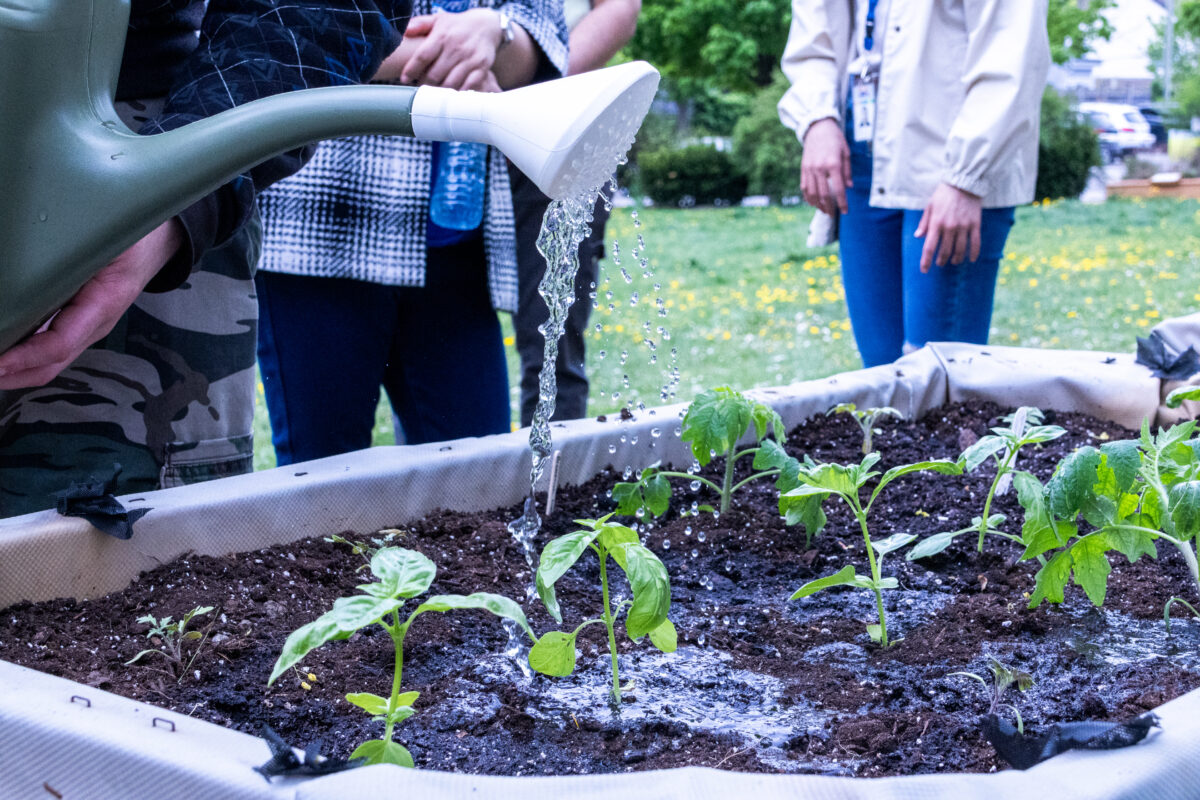
After planting, museum gardeners will care for the seeds for upwards of four weeks. The baby seedlings will then return to campus to be planted in SNAP’s on-site community garden – this includes eight raised garden beds near Dartnell Avenue and Davenport Road, behind the external Pizza Nova and Tim Hortons restaurants.
SNAP plans to host a planting picnic event in mid-May, where students help plant the seedlings.
The harvest will go back to the SNAP pantry.
“There’s nothing more empowering than picking your own tomato that you’ve grown from a seed, and then just watching it grow, and then tasting your own tomato,” Watanabe says with a smile.
For those who develop a passion for gardening, opportunities will be available to volunteer over the summer and help maintain the garden.
“However, even students who cannot commit long-term or who feel they lack a ‘green thumb’ are encouraged to attend, experience the joy of connecting with nature, and learn how to grow their own food,” Watanabe concludes.